Raleigh Electrocution Accident Lawyers
You Won’t Pay Unless We Win
Electrocution accident cases are complex. Our attorneys investigate liability, identify every responsible party, and pursue full compensation for victims and families.
We’re Here to Help
Fill out our online form to request a free consultation. You won’t pay unless we win!










Raleigh Electrocution Lawyers
Helping Victims of Electric Shock in North Carolina
Electric shock and electrocutions commonly occur on worksites, pools, and other locations where there is considerable amount of machinery and electrical wiring. They can also occur any place where there is an electrical power source. While these types of accidents may not happen as frequently as others, when they do occur they can cause some of the most devastating injuries, if not death.
Edwards Kirby is led by nationally recognized trial attorneys who have dedicated their professional careers to fighting for victims and families who suffer preventable harm and losses. If you have experienced an electric shock injury that could and should have been prevented, or have lost a family member in a preventable electrocution accident, our personal injury team is prepared to see you through the legal process ahead, and use our decades of collective experience to pursue the financial compensation and justice you deserve.
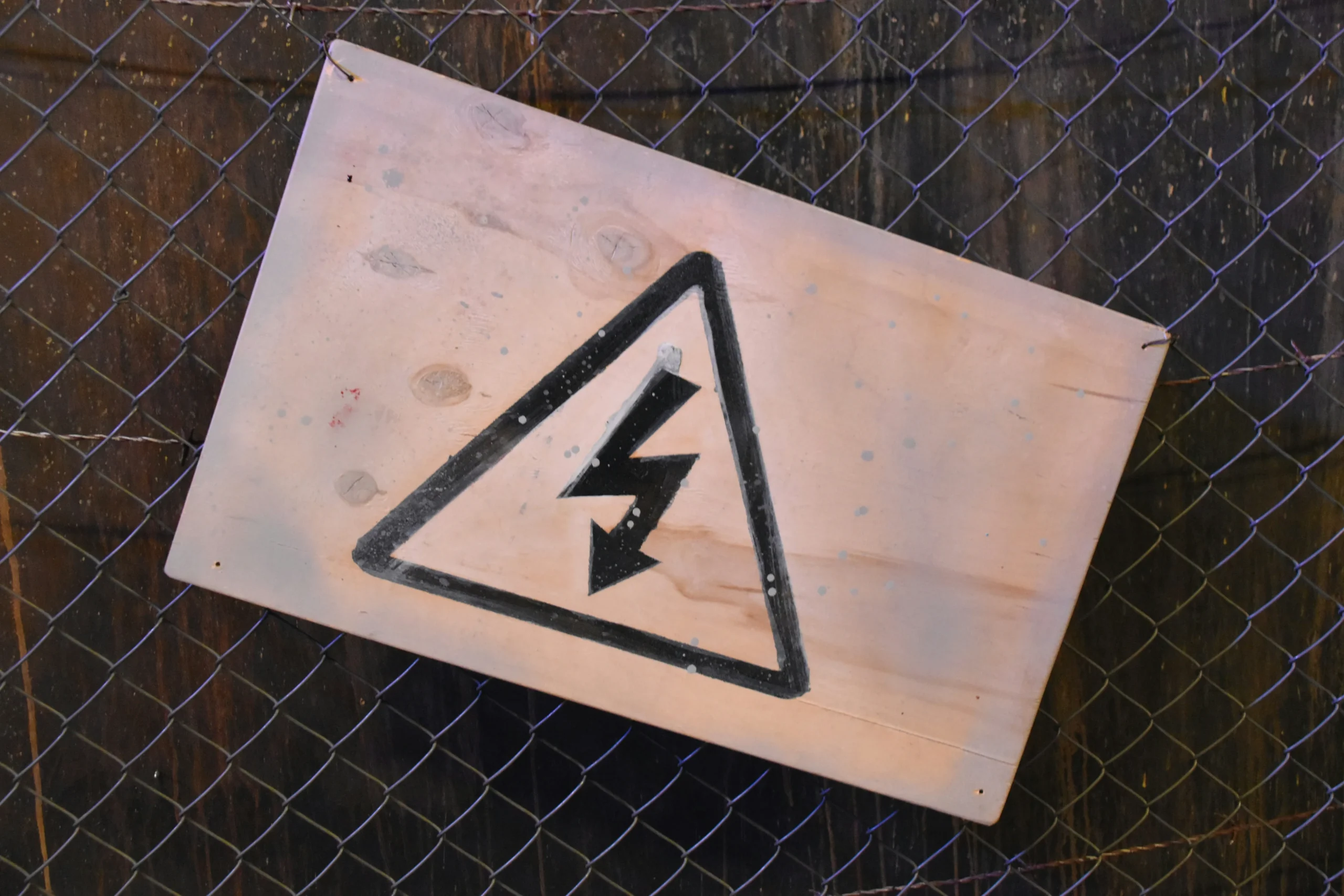
Electrocution
Although the term “electrocution” is often mistakenly used to describe any type of electric shock or electrical injury, it actually means “to kill with electricity.” As such, electrocution refers to any death caused by a lethal amount of electrical energy. Electrocution is a significant risk in certain occupations, and is considered one of OSHA’s “Fatal Four” workplace hazards.
In cases involving an electrocution that could and should have been prevented, our team at Edwards Kirby is committed to using our experience and resources as we personally guide families through the wrongful death process.
Trust Our Proven Lawyers
With the right legal team by your side, you put yourself in the best possible position to fight for and secure the compensation you deserve. At Edwards Kirby, our Raleigh electrocution attorneys have worked with countless injured victims in order to provide them with the experienced legal representation they require in their time of need. Over the years, we have secured hundreds of millions of dollars in verdicts and settlements. Call us at (919) 780-5400 to discuss your situation with a member of our firm today.
Shock and Electrocution FAQs
Can You Sue For Being Electrocuted?
Yes. You can file a lawsuit after an electric shock or electrocution when another party’s negligence caused your injuries. Depending on the circumstances, you may be entitled to compensation for medical expenses, lost wages, reduced earning capacity, pain and suffering, rehabilitation costs, and other related damages. In fatal electrocution cases, surviving family members may also be able to pursue a wrongful death claim.
For these reasons, it becomes critical for victims to seek compensation for their damages when electric shock injuries are caused by the negligence or wrongful acts of others. An experienced electrocution lawyer can investigate the cause of the incident, identify liable parties, and help pursue the full compensation available under North Carolina law.
Who May Be Liable for an Electrical Injury?
Determining who is responsible for an electric shock or electrocution injury often requires a detailed investigation. Depending on the circumstances, one or more parties may be held liable for your damages, including:
- Property Owners
Property owners have a duty to maintain reasonably safe premises. They may be liable if exposed wiring, faulty electrical systems, or unsafe conditions caused an injury. - Utility Companies
Electric utility providers may be responsible when poorly maintained power lines, faulty equipment, or negligent operations lead to electrical accidents. - Contractors and Subcontractors
Construction contractors, electricians, and subcontractors can be held accountable if unsafe work practices, code violations, or negligent installations result in electrical injuries. - Equipment Manufacturers
Manufacturers may be liable when defective tools, appliances, machinery, batteries, or electrical components cause electric shock injuries due to design or manufacturing defects. - Maintenance and Service Providers
Companies responsible for inspecting, repairing, or maintaining electrical systems may face liability if negligent maintenance contributes to an accident. - Electric Vehicle and Battery Technicians
As electric vehicle technology becomes more common, technicians and service providers may be liable when improper battery repairs, charging system failures, or unsafe maintenance practices result in serious electrical injuries.Our attorneys thoroughly investigate electrical accidents to identify all potentially responsible parties and pursue the maximum compensation available for our clients.
What To Do After an Electrocution Injury?
If you or a loved one suffered an electric shock injury, taking the right steps can help protect your health and your legal claim.
- Seek Medical Attention Immediately
Even if symptoms seem minor, electrical injuries can cause internal damage, nerve injuries, cardiac complications, and other serious conditions that may not be immediately apparent. - Report the Incident
Notify the property owner, employer, supervisor, utility company, or other responsible party about the accident as soon as possible. - Preserve Evidence
Keep any tools, equipment, appliances, batteries, chargers, or other items involved in the incident. Do not repair, alter, or dispose of them. - Document the Scene
Take photographs of the accident scene, electrical hazards, visible injuries, damaged equipment, and any warning signs or lack thereof. - Gather Witness Information
Obtain the names and contact information of anyone who witnessed the incident or its aftermath. - Avoid Giving Recorded Statements
Insurance companies may contact you shortly after the accident. Avoid providing recorded statements or accepting settlement offers before speaking with an attorney. - Contact an Electrocution Lawyer
An experienced attorney can investigate the cause of the accident, preserve critical evidence, identify liable parties, and help you pursue full compensation for your injuries.
Need help after an electrical injury?
Contact our North Carolina electrocution lawyers today for a free consultation.
919-780-5400
Our Record Setting Results from Catastrophic Injury Lawsuits
View More Results$6,000,000
$6,000,000 settlement for the family of a lifeguard who was electrocuted as she entered a pool.
$13 Million
Catastrophic Injury Resulting from Error in Compounding Medicine
$1,000,000
$1,000,000 settlement for a woman injured by falling into an open elevator shaft.
$1,050,000
$1,050,000 settlement for an employee seriously injured after falling down an elevator shaft.

We’re Here to Help
Call 919-780-5400 or fill out our online form to request a free consultation. You won’t pay unless we win!